
The deadline set by the President of the United States for the introduction of mutual tariffs on trade partners is just a few days away after he imposed 25% import taxes on foreign car manufacturers.
Vietnam could be among the most vulnerable countries due to the latest tariff blow from Trump. The country has a significant trade deficit with the U.S. and has benefited from the relocation of production from China, which companies made to avoid the effects of trade measures introduced during Trump's first term.
While some countries responded to Washington with sanctions, Vietnam's Prime Minister Pham Minh Chinh hinted at a more diplomatic approach.
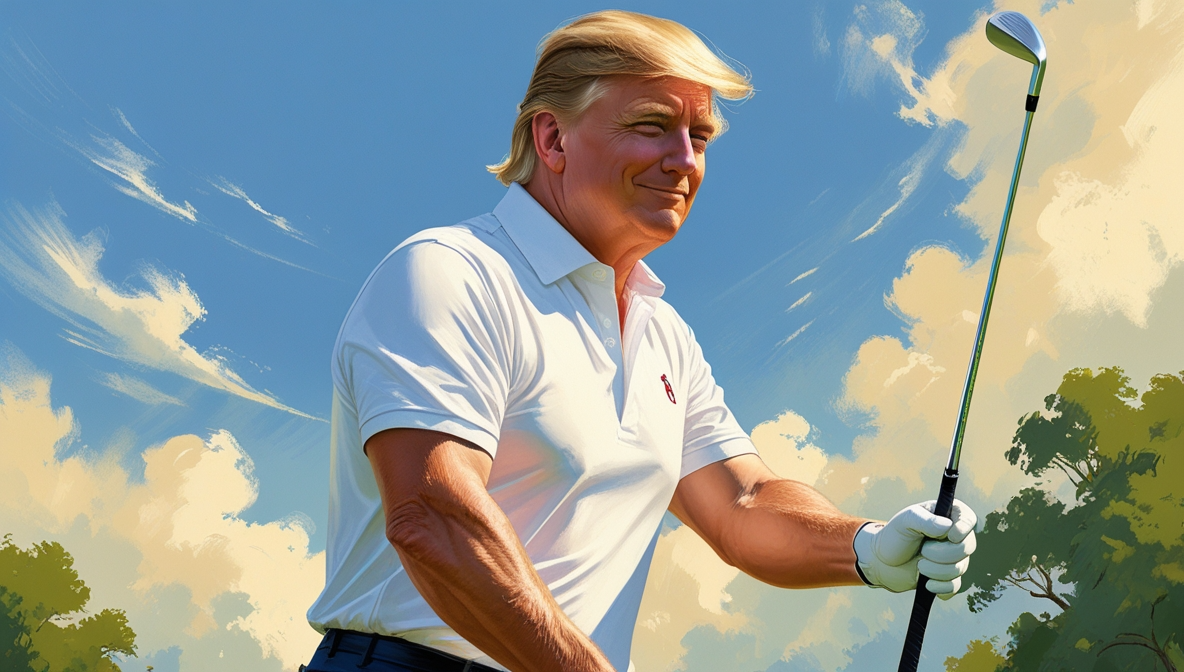
During a speech in January, he jokingly stated that he was willing to visit Trump's Mar-a-Lago residence in Florida and "spend the whole day playing golf" if it would benefit his country. His words provoked laughter in the room.
And this idea might not be so far from reality: according to Reuters, Trump's organization plans to invest billions of dollars in golf clubs, hotels, and real estate in Vietnam. The first project involves building a residential complex with three 18-hole golf courses, set to start in May.
BBC reached out to the company and its Vietnamese partner for comments.
But can golf diplomacy truly change the situation?
"Bamboo Economy"
Trump previously referred to Vietnam as "worse than China" and "almost the biggest rulebreaker."
Despite this, he has not yet applied tariffs against Vietnam, even though the country has the third-largest trade deficit with the U.S. after China and Mexico.
Analysts note that while Vietnam is actively cooperating with Washington, these efforts may not be enough to avoid potential tariff hits from Trump.
"Vietnam's Prime Minister seems to be following the example of [former Japanese Prime Minister] Shinzo Abe, who developed close personal relations with Trump thanks to their shared love of golf," says Steven Olson, former U.S. Trade Representative.
"However, I don't think this will lead to any special preferences for Vietnam in terms of trade policy. Personal relationships are important to Trump, but in this case, his desire to appear tough on trade will likely outweigh them."
Although Vietnam has no intention of "restricting trade" with the U.S., it has already imposed taxes on certain imports from the States.
This week, the Vietnamese government announced it would allow SpaceX, the company owned by Trump's close ally Elon Musk, to temporarily provide satellite internet (Starlink) in the country.
Some analysts consider this one of the steps to ease tariff pressure from the U.S.
Additionally, Hanoi announced a reduction in tariffs on several U.S. imports, including energy resources and cars, aiming to "improve the trade balance."
Less than two weeks after this, Vietnamese and American companies signed deals worth over $4 billion in sectors including oil and gas extraction.
Steve Norris from consulting firm Control Risks notes that "Vietnam is cautiously avoiding actions that could signal a reluctance to cooperate with the U.S. on trade issues."
"Bamboo Diplomacy"
This strategy aligns with Vietnam's foreign policy approach, known as "bamboo diplomacy." Like the flexible bamboo shoots that bend with the wind, Vietnam seeks to adapt to external pressure.
"If the U.S. increases pressure on Vietnam, the government may respond with initiatives such as promoting investment in hospitality and casinos, purchasing modern equipment, or providing access to the country's rare-earth minerals," says Norris.
The China Factor
One of Vietnam's challenges remains its close relationship with China.
Vietnam benefited from the tension between the U.S. and China during Trump's trade war. In 2018, after tariffs were imposed on Chinese goods, some companies shifted production to Vietnam, resulting in a rise in exports to the U.S.
However, Chinese companies also heavily invest in Vietnam. Official data shows that China remains the largest supplier of goods to Vietnam, accounting for over a third of the country's imports.
Analysts warn that Vietnam may become the next target of Trump's tariff sanctions due to suspicions of "transshipment" — Chinese goods being imported to the U.S. under the guise of Vietnamese products.
What’s Next?
Washington "quietly insists" that Vietnam reduce its active trade surplus with the U.S. and prevent the transit of Chinese goods.
Vietnam's Prime Minister has expressed confidence in his government's ability to maintain constructive relations with the U.S.
Meanwhile, Vietnam has reduced some tariffs on U.S. goods, which could make them more competitive in the local market.
And, of course, there’s golf. For Shinzo Abe, playing golf with Trump once helped secure agreements on exemptions for Japanese auto manufacturers.
Will golf diplomacy work for Vietnam? Time will tell. The first test is expected next week, when new U.S. tariffs will come into effect.